
Can You Reuse a QR Code? Here's When It Works and When It Doesn't
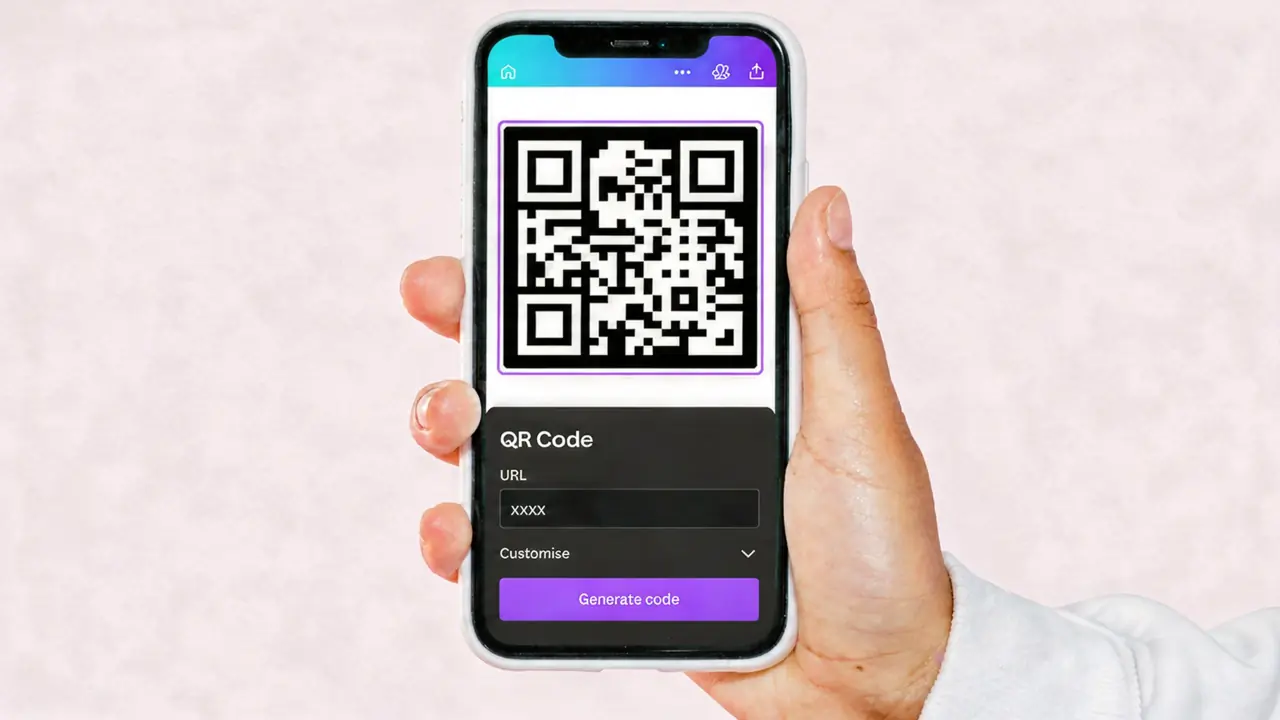
A QR code looks like a simple little square. Print it once, place it on a poster, package, table card, business card, flyer, receipt, or product label, and it seems like it should be good forever.
Sometimes it is. Sometimes it is not.
Whether a QR code can be reused depends on what kind of QR code it is, what it links to, and what you want it to do next. A QR code that points to a permanent page can be reused for years. A QR code tied to a short-term campaign may become useless the moment the campaign ends. A dynamic QR code can often be repurposed. A static QR code is much less flexible. (Related: can you edit a QR code after printing?)
So yes, a QR code can be reused - but only under the right conditions.
Like a tote bag, a password, or a joke in a marketing meeting, reuse is only smart when it still fits the situation.
The Short Answer: Yes, But It Depends
A QR code can be reused if the destination behind it still makes sense.
If your QR code sends people to a live page, useful resource, contact profile, digital menu, support guide, or evergreen landing page, you can keep using it. There is no technical rule that says a QR code expires after one campaign or one print run.
However, there is a major difference between static QR codes and dynamic QR codes. (Here is a primer on static vs dynamic.)
A static QR code stores fixed information. If it links to a URL, that URL is built into the code permanently. You can reuse it only for the same destination.
A dynamic QR code uses a redirect link that can be edited later. This means you can reuse the same printed QR code while changing where it sends people.
That difference matters for businesses.
A static QR code is reusable only if the original link remains useful. A dynamic QR code is reusable because the destination can evolve.
When a QR Code Can Be Reused
A QR code can be reused when it continues to serve the same purpose or when its destination can be updated.
For example, a QR code on a business card can be reused as long as it points to a current contact page or portfolio. A QR code on a restaurant table can be reused if it links to a menu page that is regularly updated. A QR code on product packaging can be reused if it sends customers to a support page, recipe hub, warranty page, or sustainability guide.
Whether the code still scans is beside the point. What matters is whether the person scanning it still gets something useful.
A working QR code that leads to an expired campaign is technically alive but emotionally useless. Like a coupon for a store that closed three years ago.
When You Should Not Reuse a QR Code
Reusing a QR code is a bad idea when the context has changed but the destination has not.
For example, imagine a QR code printed for a holiday sale. The code still works in January, but it sends users to a Christmas promotion. That is not reuse. That is digital clutter wearing a Santa hat.
Do not reuse a QR code if:
- The campaign has ended
- The offer is expired
- The product information is outdated
- The landing page no longer matches the printed message
- The code points to a broken link
- The call to action is misleading
- The QR code was created for a different audience
- The analytics would mix old and new campaign data
- The design or placement no longer makes sense
- The destination page is no longer mobile-friendly
Reusing a QR code should never confuse users. If the printed message says "Scan for 20% off," the landing page should not open a general blog post, a homepage, or a form asking the user to "learn more about our brand journey."
Nobody scanned for a brand journey. They scanned for the discount.
Can You Reuse a Static QR Code?
Yes, but only for the original destination.
A static QR code is fixed. If it points to a menu URL, it will always point to that same menu URL. If it stores a phone number, Wi-Fi login, text message, email address, or contact card, that information stays locked inside the QR pattern.
You can reuse a static QR code when the information is permanent or when you control the destination page and keep it updated.
For example:
- A static QR code points to
yourrestaurant.com/menu.
You can reuse it if you keep that page updated. - A static QR code points to a Google Maps location.
You can reuse it as long as the location does not change. - A static QR code stores Wi-Fi details.
You can reuse it until the network name or password changes. - A static QR code points to a portfolio page.
You can reuse it if the URL stays the same and the page remains current.
Static QR codes are useful when the destination is stable.
They are less useful when the campaign changes every few weeks and the marketing team has commitment issues. Which, to be fair, is often called "strategy."
Can You Reuse a Dynamic QR Code?
Yes. Dynamic QR codes are designed for reuse.
A dynamic QR code usually points to a redirect URL managed by a QR code platform. You can update the final destination without changing the printed code. This makes dynamic QR codes ideal for businesses that want to reuse physical materials while changing digital content.
A dynamic QR code can be reused for:
- Seasonal promotions
- Restaurant menus
- Event schedules
- Retail campaigns
- Product packaging
- Real estate listings
- Customer support pages
- Loyalty programs
- Feedback forms
- Landing page tests
- Limited-time offers
- App download campaigns
For example, a café could print one QR code on table cards. In the morning, it leads to the breakfast menu. During the holiday season, it promotes gift cards. Later, it redirects to a loyalty signup. The table card stays the same. The destination changes.
A brand like Starbucks could reuse QR codes across seasonal campaigns for drinks, app promotions, or loyalty offers. A local coffee shop can use the same logic without needing a global rewards ecosystem or a pumpkin spice calendar.
Dynamic QR codes are practical because the physical world is expensive to update. The digital world is not.
How to Reuse a QR Code Correctly
Reusing a QR code is not complicated, but it should be intentional.
Follow this simple process:
- Check the QR code type.
Find out whether it is static or dynamic. - Scan the code yourself.
See where it currently leads. - Review the printed call to action.
Make sure the new destination still matches the printed message. - Update the destination if dynamic.
Change the link in your QR platform. - Update the landing page if static but controlled.
If the code points to your own URL, edit the page or set up a redirect. - Check analytics.
If you are reusing the code for a new campaign, separate old and new data where possible. - Test before relaunching.
Scan from different phones and realistic distances. - Archive old campaign data.
Do this before the new campaign begins. - Change the surrounding message if needed.
If the printed CTA no longer fits, do not reuse the material. - Retire the code if it creates confusion.
Some QR codes are better retired than reused.
A reusable QR code should feel invisible to the user. They should not know or care that the code had a previous life.
The Analytics Problem With Reused QR Codes
Reusing a QR code can create messy analytics if you do not manage the data properly.
If the same QR code was used for a summer campaign and then reused for a holiday campaign, scan data may mix together. That makes it harder to compare performance.
To avoid confusion:
- Use campaign dates clearly
- Add or update UTM parameters
- Create separate landing pages for new campaigns
- Export old analytics before changing the destination
- Label campaigns inside your QR platform
- Use different QR codes for very different placements
- Avoid using the same code across unrelated materials
For example, if a restaurant uses the same QR code for a lunch menu, loyalty signup, and review campaign, the data may become unclear. If each use has its own code or tracking link, performance is easier to read.
Analytics should tell a story, not look like a drawer full of mystery cables.
FAQ: Can a QR Code Be Reused?
Can the same QR code be scanned multiple times?
Yes. A QR code can be scanned again and again unless the destination is removed, the platform limits scans, or the printed code becomes damaged.
Can I reuse a QR code for a different website?
Only if it is a dynamic QR code. A static QR code cannot be changed to a different website after it is created.
Can I reuse a QR code on different materials?
Yes, but it is better to use separate codes or tracking parameters for different placements if you care about analytics.
Can I reuse a QR code after a campaign ends?
Yes, if the code is dynamic or points to a page you control. The new destination should still match the printed CTA.
Do QR codes expire?
The QR pattern itself does not expire, but the destination can become unavailable. Some QR platforms may also limit access based on plan, subscription, or expiration settings. (Related: do QR codes have a scan limit?)
Is it better to create a new QR code or reuse an old one?
Reuse is better when the context still fits and you want continuity. A new QR code is better when you need clean analytics, a different CTA, or a completely new campaign.
Reuse Carefully, Not Randomly
A QR code can be reused when the destination remains useful, the context still makes sense, and the user gets what the printed message promised.
Static QR codes can be reused only for the same fixed information. Dynamic QR codes are much more flexible because you can change the destination after printing. That makes them better for campaigns, menus, packaging, events, real estate, loyalty programs, and any business content that may evolve over time.
The whole reuse strategy boils down to keeping the user experience honest: no expired offers, no unrelated campaigns sharing one code's analytics, no printed CTA promising something the page no longer delivers. "It still scans" is not the same as "it still works."
Get that right and one printed code can quietly serve years of campaigns. Get it wrong and it becomes a tiny square portal to confusion - and the internet already has enough of those.
Need a code you can reuse for years? Create a free website QR code and point a dynamic one wherever your next campaign goes.