
10 Smart Ways to Use QR Codes in Marketing
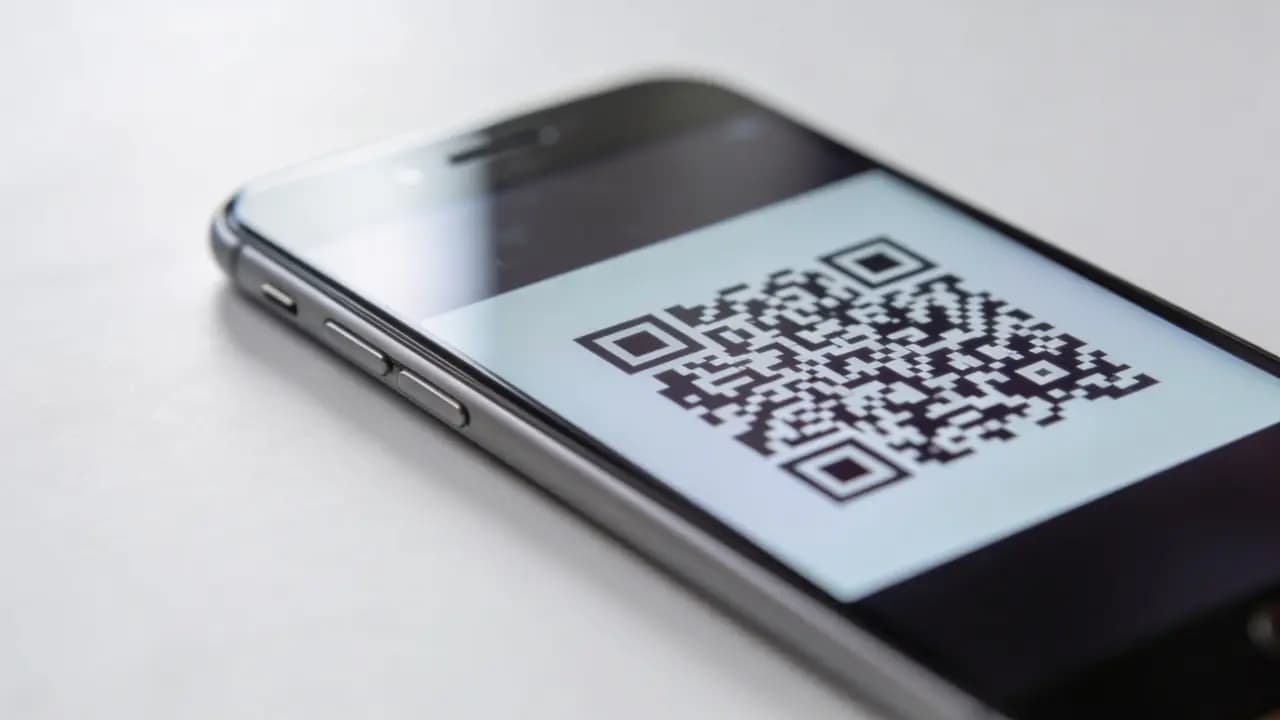
QR codes have gone from a novelty to an essential marketing tool. One scan is enough to move someone from a physical space straight to wherever you want them to go. Used well, QR codes remove extra steps, keep people engaged, and give you data you can actually use. Here are 10 practical ways to use them in your marketing, with examples you can apply right away.
1. Turn Offline Attention Into Online Traffic
One of the most effective uses of QR codes is directing people from physical marketing materials straight to a landing page. Instead of expecting someone to remember a website address or type a long URL into their browser later, a quick scan gets them exactly where you want them to go in seconds. This works especially well on posters, flyers, billboards, product packaging, brochures, and event materials where space is limited and convenience matters.
A great example is the campaigns run by Coca-Cola, which frequently place QR codes on bottles and packaging that lead customers to promotional landing pages, contests, games, or exclusive digital content. Rather than asking people to search for a website on their own, the brand removes the friction and captures engagement immediately while interest is at its highest.
Of course, the QR code is only half the equation. The page people land on should be mobile-friendly, load quickly, and deliver exactly what was promised. After all, there's nothing more disappointing than scanning a code in two seconds and then spending ten seconds watching a loading spinner think about its life choices.
2. Offer Instant Discounts and Promotions
QR codes are great for delivering time-sensitive offers. Examples:
- "Scan to get 10% off"
- Limited-time coupon codes
- Exclusive deals for in-store visitors
This works especially well in retail, where the decision happens on the spot.
3. Turn Scans Into Subscribers and Customers
QR codes can be a surprisingly effective lead-generation tool, helping businesses convert offline attention into measurable results. By linking a QR code directly to a sign-up form, brands can capture leads the moment someone shows interest, rather than hoping they'll remember to visit a website later. This approach works particularly well for newsletter subscriptions, webinar registrations, free eBooks, guides, discount offers, and other downloadable resources.
A good real-world example comes from HubSpot, which frequently uses QR codes at trade shows, conferences, and marketing events to direct attendees to resource downloads, educational content, and registration forms. Instead of collecting paper business cards or asking visitors to manually enter a web address, a quick scan takes them directly to a conversion-focused landing page.
The key is keeping the process as simple as possible. If someone scans a QR code and is greeted by a form asking for their name, email, phone number, company, job title, annual revenue, favorite pizza topping, and the name of their first pet, you've probably lost them already. Short forms typically generate higher conversion rates because they reduce friction and make it easier for people to take action while their interest is still fresh.
4. Enable Contactless Menus and Catalogs
QR codes have made it easier than ever for businesses to move from printed materials to digital experiences. Instead of constantly reprinting menus, catalogs, or service brochures whenever something changes, companies can simply direct customers to an online version with a quick scan. The result is a more flexible, cost-effective solution that's also more convenient for customers.
A well-known example is McDonald's, which has expanded the use of QR codes in many locations to help customers access digital menus, promotions, loyalty programs, and ordering options directly from their phones. Similar approaches have become common across restaurants, cafés, hotels, and retail stores, where QR codes provide instant access to product catalogs, service lists, pricing information, and seasonal offers.
It's much faster: just scan the code, rather than waiting for a waiter with a menu. It also makes the menu itself cheaper to produce, effectively replacing it entirely. I can't remember the last time I saw a menu in a restaurant.
The biggest advantage is flexibility. If a restaurant introduces a new dish, a retailer updates prices, or a business adds a new service, the digital content can be updated instantly without printing thousands of new copies. That saves both time and money while ensuring customers always see the most current information. Plus, there's something satisfying about knowing a menu can be updated in seconds instead of requiring someone to hunt down a printer that's mysteriously "offline" again.
5. Share Social Media Profiles
Make it easy for people to follow or engage with your brand.
Use case:
- Instagram, TikTok or YouTube pages
- Link-in-bio pages across platforms
Include a CTA like "Scan to follow us for daily updates."
6. Simplify Event Check-Ins
QR codes make event logistics faster for both organizers and attendees.
Examples:
- Ticket validation
- Attendee check-in
- Access control
7. Add Value to Product Packaging
Extend the product experience beyond the box with QR codes. It gives customers a reason to scan, and reduces the "how do I use this?" questions.
- How-to videos
- Setup instructions
- Bonus content or tutorials
8. Capture Feedback While the Experience Is Still Fresh
One of the simplest and most effective uses of QR codes is collecting reviews and customer feedback. The easier you make the process, the more likely people are to share their thoughts. Instead of expecting customers to search for your business online, find the correct review page, and leave feedback later, a QR code can take them directly where they need to go with a single scan.
This works especially well for Google reviews, app store ratings, customer satisfaction surveys, and feedback forms. For example, if you've just had a great meal at a restaurant, stayed at a hotel, visited a local attraction, or received excellent service from a business, you can scan a QR code and leave a review on Google in less than a minute. Since the experience is still fresh in your mind, you're much more likely to follow through than if you wait until you get home and inevitably forget about it.
9. Track Offline Campaign Performance
Dynamic QR codes let you track real-world engagement. It's one of the few ways to get actual numbers from offline marketing.
Track metrics like:
- Number of scans
- Location
- Device type
- Time of interaction
10. Create Interactive Experiences
QR codes can make campaigns more engaging and worth remembering.
Creative ideas:
- Scavenger hunts
- Gamified promotions
- "Scan to unlock" content
Interactive campaigns keep people around longer and make the brand stick. For more in this direction, see our creative QR code ideas you haven't tried yet.
Best Practices for QR Codes That Actually Get Results
Creating a QR code takes only a few seconds, but getting people to scan it - and take action afterward - requires a bit more thought. The most successful QR campaigns focus on the experience behind the scan, not just the code itself.
Start with a clear call to action. People are far more likely to scan a QR code if they know exactly what they'll get. "Scan to get 20% off," "Unlock exclusive content," or "Claim your free guide" is much more compelling than a mysterious square sitting on a poster. For example, many gaming campaigns for Genshin Impact and Pokémon GO explicitly tell players they'll receive rewards, event information, or special content after scanning.
Design matters too. Use high-contrast colors, keep the code large enough to scan easily, and leave sufficient white space around it. A QR code squeezed into a busy design might look great to a designer but can be surprisingly frustrating for an actual smartphone camera. Our guide to designing high-scanning QR codes covers the technical rules in detail.
Before launching, test the code on multiple devices and under different conditions. What works perfectly on the latest iPhone in your office might struggle on an older Android phone outdoors in bright sunlight. Even major brands routinely test QR campaigns across different environments to avoid unpleasant surprises.
Most importantly, make sure the destination is mobile-friendly. If someone scans a code and lands on a slow-loading page, a desktop-only website, or a confusing form, you've lost much of the value of the scan. Think about the user journey from start to finish. A restaurant QR code should open a clean menu, an event QR code should provide instant access to schedules or tickets, and a marketing QR code should lead directly to the offer being promoted - not a homepage where visitors have to start hunting for it.
A QR code is just a shortcut, and a shortcut only matters if the destination is worth reaching. Get the landing page right, say plainly what the scan is for, and that little black-and-white square will quietly outperform channels that cost fifty times more.
Want to put this into practice? Create a free QR code for your next campaign in under a minute.