
QR Codes in Video Games: New Ways to Connect Players and Content
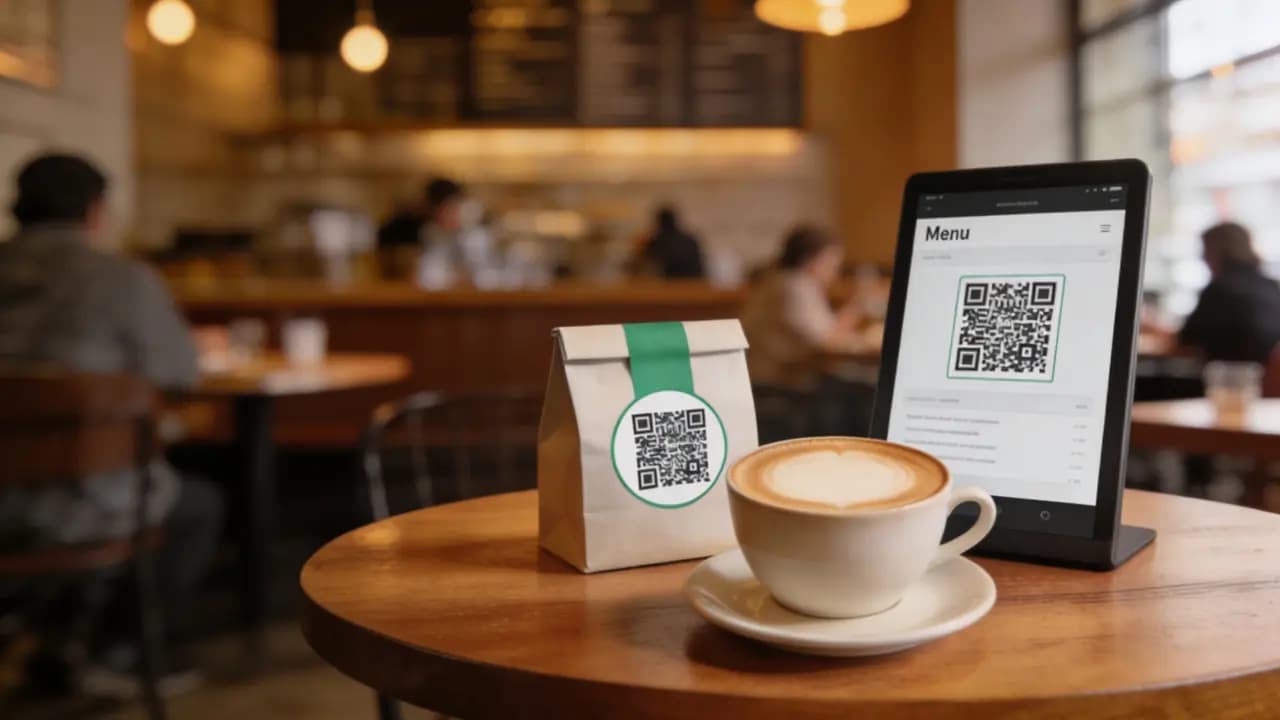
QR codes moved past being a marketing gimmick, now they're a practical link between physical spaces, digital content, and in-game systems. Games use them to unlock rewards, share player creations, simplify onboarding, and build experiences that extend beyond the screen. Here's how it actually works.
Why QR Codes Make Sense in Gaming
The biggest advantage of QR codes in gaming is their simplicity. They remove unnecessary friction between players and the content they want to access. Instead of digging through menus, typing lengthy redemption codes, or hunting for links online, players can unlock rewards, join events, or access special features with a single scan. In an industry where convenience directly impacts engagement, that's a powerful advantage.
Many successful games have already embraced this approach. For example, Pokémon GO uses QR codes for community events, referrals, and promotional activities, allowing players to connect with content instantly. Pokémon Trading Card Game Live takes things a step further by letting players scan QR codes from physical card packs to redeem digital cards in-game. Meanwhile, location-based games like Ingress have used QR codes as part of real-world challenges and event experiences that blend digital gameplay with physical exploration.
For developers, QR codes open up opportunities that go beyond simple links: players share content with friends more easily, rewards and promotional items cost less to distribute, and physical products can carry in-game bonuses. In gaming, where every extra tap can cost attention, that shorter path pays off for both sides.
1. Unlocking Exclusive Content
The most common use is unlocking bonus or limited content. Examples:
- Skins, characters, or cosmetics
- In-game currency or items
- Limited-time event rewards
A player scans a code and the reward shows up in-game instantly. It's a clean mechanic that gives people a reason to engage outside the game itself.
2. Sharing Player-Created Content
In games with creative or customization modes, QR codes make sharing much less painful. Instead of exporting files or reading out long strings of characters, one scan does it. That removes a real barrier for community sharing. Use cases:
- Custom maps
- Character designs
- Loadouts or builds
- Creative levels
3. Digital Rewards and Physical Products
One of the most effective uses of QR codes in gaming is linking physical products to digital rewards. Rather than selling merchandise that exists only outside the game, developers can use QR codes to unlock exclusive content, bonus items, or special experiences. This adds an extra incentive for fans to make a purchase while creating another touchpoint between the player and the game.
A great example is Genshin Impact. The game has partnered with restaurants, cafés, and retail brands around the world, offering exclusive in-game rewards, collectibles, and promotional items through QR-code-based campaigns. Players who purchase participating products can scan a code to access special rewards, making the physical purchase feel like an extension of the game itself.
This strategy works particularly well for collector's editions, limited-edition merchandise, and brand collaborations with food, beverage, and retail companies. A QR code printed on packaging can instantly deliver a cosmetic item, premium currency, event access, or exclusive content. Instead of being just another marketing promotion, the product becomes part of the gaming experience. And for players, that's much more exciting than buying a snack and getting nothing but crumbs in return.
4. Simplifying the Onboarding Process
QR codes can help new players get started faster. Less friction at the start means fewer people dropping off before they've actually tried the game.
- Scan to download the game
- Scan to join a server or lobby
- Scan for tutorials or beginner guides
5. Keeping Viewers Engaged During Live Events
QR codes have become a useful tool at esports tournaments, gaming conventions, and live streams because they turn passive viewers into active participants. Instead of simply watching from the sidelines, fans can instantly access event schedules, vote in live polls, claim exclusive rewards, join community channels, or participate in interactive activities with a quick scan.
Major games have already embraced this strategy. During esports broadcasts for League of Legends and VALORANT, QR codes are often displayed to direct viewers to event hubs, promotional content, merchandise stores, and community experiences. Similarly, tournaments for PUBG Mobile frequently use QR codes to distribute rewards, register participants for activities, and connect fans with live event content.
The approach earns its keep during downtime between matches or segments. Rather than switching tabs, scrolling social media, or leaving the stream altogether, viewers have an immediate way to interact with the event. A simple scan can unlock rewards, exclusive content, or a chance to participate in the action, giving fans one more reason to stick around until the final match is over.
6. Linking to External Content
Games don't live only inside the app. QR codes point players toward:
- Official websites
- Social media pages
- Patch notes and updates
- Community hubs like Discord
It keeps the connection going between sessions.
7. Real-World Interaction and Gamification
Some games use QR codes to blend real-life locations with gameplay. Players go somewhere or do something in the real world, and the game responds. It makes the experience feel bigger than a screen.
Examples:
- Scavenger hunts
- Location-based challenges
- Augmented reality interactions
Why QR Codes Are Becoming a Standard Tool in Gaming
As mobile gaming, cross-platform experiences, and connected gaming ecosystems continue to grow, QR codes are finding an increasingly natural place in the industry. Players today move constantly between phones, tablets, PCs, consoles, websites, and social platforms, and QR codes carry them across those boundaries with almost no effort. (Mobile is where this shows up most - we cover it in how QR codes are changing mobile gaming.) Instead of navigating multiple screens, searching for links, or entering lengthy codes, players can access what they need with a single scan.
Games like Fortnite, Pokémon GO, Genshin Impact, and PUBG Mobile have all used QR-code-driven campaigns in various forms, from event participation and reward redemption to community engagement and promotional partnerships. Most of these rely on dynamic codes so the destination can change between events - if that distinction is new to you, here's how static and dynamic QR codes differ. As gaming becomes more connected, these quick-scan interactions are becoming less of a novelty and more of an expected convenience.
The appeal is easy to understand. QR codes provide instant access, work across nearly all modern devices, make sharing effortless, and require relatively little time or money to implement. For developers, that can translate into higher engagement, better retention, and more opportunities to connect players with content. For players, it simply means spending less time dealing with menus and setup screens - and more time actually playing the game. After all, nobody downloads a game because they love navigating menus; they do it to have fun.