
Scan to Unlock: How QR Codes Are Changing Mobile Gaming
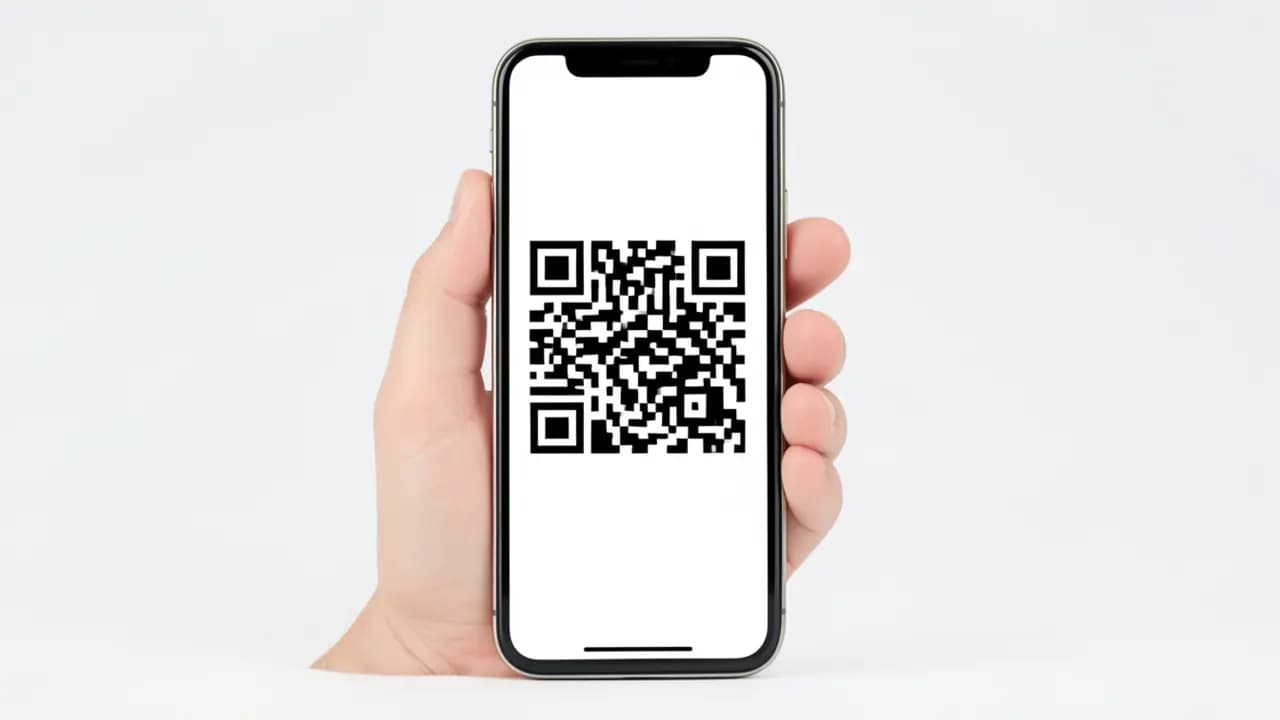
Mobile gaming is designed around speed, accessibility, and instant rewards - and QR codes fit naturally into that. With a single scan, players can unlock content, join events, connect accounts, or access exclusive features without navigating complex menus or typing long codes. That small shift in how players interact with a game is changing how studios think about engagement and retention. (For the bigger picture across all platforms, see QR codes in video games.)
Why QR Codes Work So Well in Mobile Gaming
QR codes work especially well in mobile gaming because the technology is already built into the devices players are using. There's no need to download anything extra or learn a new system - players simply point their camera at a code and instantly access content. Instead of searching for links, manually entering long promo codes, or tapping through multiple menus, they can get rewards, event information, or special offers in seconds. In gaming, every extra step creates a chance for someone to lose interest, so reducing friction is a huge advantage.
I've seen this firsthand while playing Pokémon GO. The game regularly uses QR codes for community events, promotional activities, and quick access to special content. Rather than hunting through websites or typing complicated URLs, players can scan a code and jump straight into the action. It's a small feature, but it removes the exact moment where casual players give up: when they want a reward, they want it now - not after navigating three menus and solving a small puzzle just to find the right button.
1. Instant Rewards and Unlockables
One of the biggest advantages of QR codes is how quickly they deliver value. Players scan a code and immediately see the result - no delays, no confusion. When the payoff is instant, people actually use the feature.
A single scan can:
- Unlock skins or cosmetic items
- Claim daily bonuses or in-game currency
- Grant access to limited-time event rewards
2. Faster Player Onboarding
First impressions matter in mobile games. QR codes can simplify the onboarding process considerably.
Use cases:
- Scan to join a friend's session
- Scan to access beginner tutorials
The easier it is to start, the more players stick around past the first session.
3. Cross-Platform Connectivity
Many mobile games are part of larger ecosystems - PC, console, cloud. QR codes help connect them: scan once to link a mobile and desktop account instead of re-entering credentials on every device.
For players who switch between devices, this removes a genuinely annoying problem.
4. Real-World Promotions and Partnerships
QR codes bridge physical and digital marketing in a way that's hard to do otherwise.
- Codes on product packaging (snacks, drinks, merchandise)
- Event posters with unlockable rewards
- Influencer campaigns with exclusive QR content
5. Social and Community Engagement
Mobile games run on community, and QR codes make sharing much less of an effort. You can share custom builds or setups or join Discord servers or communities, for example.
Referral loops run on this: the friend who joins through a scanned invite skips the typo-prone code exchange, and the player who brought them in rarely churns the following week.
6. Bringing the Game Into the Real World
Some developers use QR codes to extend gameplay beyond the screen and encourage players to interact with the real world. QR codes can be hidden as part of scavenger hunts, incorporated into live events, or used to unlock augmented reality experiences tied to specific locations. This creates a level of engagement that's difficult to achieve through in-app mechanics alone because players aren't just tapping a screen - they're actively exploring, discovering, and participating.
A great example is Ingress, the location-based game from Niantic. Community events and player-organized activities have often incorporated QR codes placed at real-world locations, allowing participants to unlock clues, access event content, or progress through challenges. The result feels more like a treasure hunt than a traditional mobile game. When players have to physically visit locations and scan codes to uncover the next step, the experience becomes far more memorable than simply completing another quest from a menu.
7. Faster Access to Content and Updates
QR codes can act as shortcuts to content players actually need. Players stay informed without having to go looking for it.
Examples:
- Patch notes and updates
- New feature announcements
- Special event pages
Why Developers Are Embracing QR Codes
From both a development and marketing perspective, QR codes are one of those rare tools that are simple, affordable, and genuinely useful. They're easy to implement, cost very little to deploy, work across virtually all modern devices, and can provide valuable analytics when dynamic QR codes are used. Developers can track metrics such as scan counts, locations, device types, and campaign performance without adding unnecessary complexity to the user experience.
It's no surprise that many popular games have incorporated QR codes into their player engagement strategies. Some notable examples include:
- Pokémon GO - uses QR codes for events, community activities, promotional campaigns, and quick access to game-related content.
- Ingress - has featured QR-code-driven challenges and event experiences that connect gameplay with real-world locations.
- Pokémon Trading Card Game Live - players can scan QR codes from physical card packs to redeem digital cards and rewards.
- Yu-Gi-Oh! Master Duel - promotional campaigns and companion products have used QR codes to direct players to special content and events.
- NBA 2K Mobile - has leveraged QR codes during promotions and community campaigns to distribute rewards and exclusive content.
- PUBG Mobile - frequently incorporates QR codes in esports events, live streams, and marketing campaigns to connect players with rewards, event pages, and community activities.
The common thread is speed: a scan beats typing a 16-character redeem code every time, and each skipped step keeps a few more players in the flow instead of losing them to a browser tab.
Potential Challenges
QR codes aren't foolproof:
- Too many codes and players stop noticing them
- Bad placement means low scan rates
- Broken links or slow loading destroy the experience
Most of these come down to design and testing - our best practices for designing high-scanning QR codes cover how to avoid them.
QR codes work in mobile gaming because they solve a real problem: getting players to content quickly, without extra steps. Whether it's a reward, a login, or a community link, the scan replaces a process that used to take longer. As more games spread across platforms and out of the app itself, a camera scan is often the shortest bridge between the two.