
From Simple Squares to Smart Packaging: How QR Codes Are Transforming Consumer Engagement
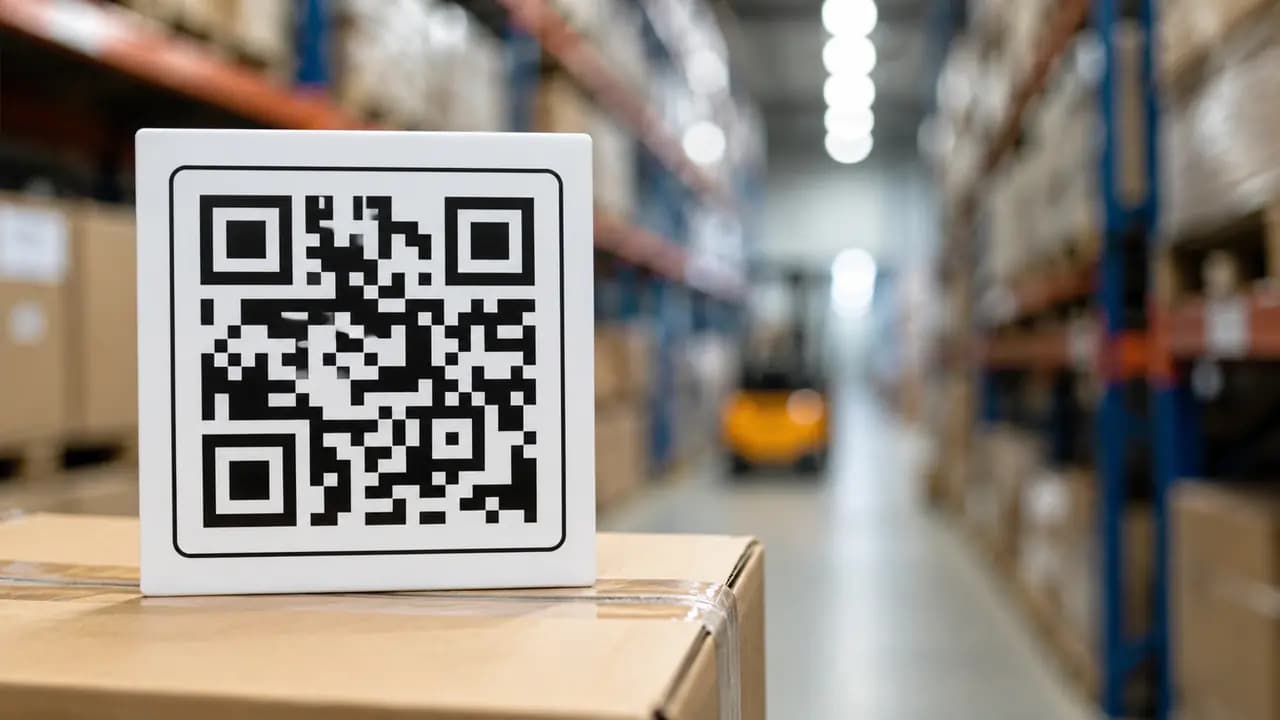
QR codes used to be treated as a small technical detail - a black-and-white square placed somewhere on a product, poster, receipt, or menu. Today, they have become something much more valuable. In packaging, QR codes are no longer just a shortcut to a website - they connect the physical product in someone's hand to whatever the brand wants to show next.
This shift matters because packaging has always had limited space. A bottle, box, pouch, or label can only carry so much information before it becomes crowded and unattractive. QR codes solve that problem elegantly. With one scan, consumers can access product stories, ingredients, instructions, certifications, reviews, loyalty programs, videos, recipes, refill information, sustainability data, and customer support.
That is why modern packaging is turning into a media channel rather than just a container.
The Early Days: Why QR Codes Were Invented
QR codes were first created in Japan in the 1990s for a very practical reason: speed. Traditional barcodes could only store a limited amount of information and usually had to be scanned from a specific angle. Manufacturers needed something faster, more flexible, and more reliable.
The answer was the Quick Response code.
Unlike a one-dimensional barcode, a QR code stores information both horizontally and vertically. This allows it to hold more data in a smaller space. It can also be scanned quickly from different angles, which made it useful in manufacturing, logistics, and inventory tracking long before it became familiar to everyday consumers.
At first, QR codes were not glamorous. They were industrial tools. They helped companies identify parts, track movement, and reduce errors. But the same qualities that made them useful in factories later made them powerful in consumer packaging: speed, compactness, flexibility, and easy access to information.
A Short Timeline of QR Code Evolution
- 1990s: Industrial tracking begins
QR codes are developed to improve tracking in manufacturing environments. Their main value is operational efficiency, not consumer interaction. - 2000s: Early marketing experiments appear
Brands begin placing QR codes on posters, magazines, product labels, and outdoor advertising. The idea is promising, but the experience is often clunky because many phones require a separate scanning app. - 2010s: Smartphone adoption changes the game
As smartphones become universal, QR codes become easier to scan. More consumers understand what they are and how to use them. - 2020-2022: Contactless behaviour accelerates adoption
Restaurants, retailers, healthcare providers, and event organisers embrace QR codes for menus, forms, tickets, payments, and safety information. - Today: QR codes become part of smart packaging
Packaging is no longer static. QR codes connect products to live digital content, customer data, traceability systems, personalised offers, and post-purchase engagement. This is where dynamic QR codes shine, since you can change the destination without reprinting.
What QR Codes Add to Consumer Engagement
QR codes can turn a passive packaging moment into an active brand interaction. A person picks up a product, notices the code, scans it, and enters a controlled digital environment created by the brand.
That environment may include:
- Product tutorials
- Ingredient explanations
- Sustainability reports
- Loyalty rewards
- Recipes or usage ideas
- Augmented reality experiences
- Limited-time discounts
- Customer reviews
- Product registration forms
This is important because packaging usually has only a few seconds to capture attention. A QR code extends that moment. It gives the consumer a reason to stay with the product longer, learn more about it, and possibly take another action.
A cereal box can become a game for children. A wine label can become a vineyard tour. A cosmetics package can become a personalised routine guide. A snack packet can become a voting tool for the next flavour.
The product remains physical, but the relationship becomes digital.
What Makes a Packaging QR Code Worth Scanning?
Not every QR code creates engagement. Some are ignored because they look generic. Others disappoint because they lead to a slow website, a basic homepage, or content that gives the consumer no real benefit.
A good packaging QR code needs a clear value exchange.
Consumers are more likely to scan when they understand what they will get. "Scan me" is weak. "Scan for 10% off your next order" is stronger. "Scan to see where this coffee was grown" gives context. "Scan for a two-minute setup guide" solves a problem immediately.
The destination matters just as much as the code itself. A QR code should lead to a mobile-friendly page, fast-loading content, and a clear next step. If the experience feels like extra work, people will leave.
A scan should reward curiosity.
Practical Packaging Ideas by Industry
Food and Beverage
QR codes can link to recipes, nutrition details, allergen information, sourcing stories, preparation videos, and loyalty rewards. For premium products, they can also explain craftsmanship, origin, or pairing suggestions.
A brand like Starbucks could use QR codes on packaged coffee to show brewing tips, roast profiles, or the story behind a specific blend. Coca-Cola can connect packaging to seasonal campaigns, prize draws, or loyalty experiences. A chocolate brand like Lindt could use a QR code to explain cocoa sourcing, pairing ideas, or gift recommendations. Even a smaller local granola brand can do the same thing: scan the bag, get breakfast recipes, ingredient details, and maybe a discount on the next order.
Cosmetics and Personal Care
A QR code can guide users to tutorials, ingredient education, skin-type recommendations, refill instructions, or product routine builders. This is especially useful when the product requires explanation.
For example, a skincare brand like The Ordinary could use QR codes to explain how to combine serums, when to apply acids, and what not to mix unless your face enjoys drama. L'Oréal or Maybelline could link packaging to shade-matching tools, makeup tutorials, or product application videos. A personal care brand like Dove could use QR codes to explain ingredients, sustainability efforts, or recycling instructions. For refill-focused brands, QR codes can also guide users to nearby refill stations or subscription options.
Pharmaceuticals and Supplements
Packaging can connect to dosage information, safety guidance, authenticity checks, batch details, and customer support. In this category, clarity and trust are more important than entertainment.
A supplement brand like Centrum could use QR codes to explain vitamin benefits, recommended usage, and ingredient sourcing in a clearer mobile format. Nature Made could connect customers to testing information, certifications, or FAQ pages about specific supplements. For pharmaceutical products from companies like Pfizer or Johnson & Johnson, QR codes can guide users to official safety information, patient leaflets, dosage instructions, or support resources. This is not the place for flashy gimmicks. Nobody scans medicine packaging hoping to unlock a dance challenge. They want reliable information, fast.
Consumer Electronics
QR codes can replace bulky manuals with setup videos, troubleshooting guides, warranty registration, app downloads, and accessory recommendations.
A brand like Samsung could place QR codes on device boxes to help users register a warranty, download the right app, or watch setup instructions. Apple could use QR codes for quick onboarding, support pages, or trade-in information. Dyson is another strong example: a QR code on vacuum or haircare packaging could lead to cleaning guides, filter replacement instructions, maintenance videos, and accessory recommendations. For smaller electronics brands, this is especially useful because a QR code can turn a confusing setup process into a simple "scan, watch, done" moment.
Fashion and Lifestyle Products
Brands can use QR codes for care instructions, styling ideas, material transparency, resale programs, repair services, and community content.
A fashion brand like Nike could use QR codes on shoeboxes or tags to show styling ideas, product stories, size guides, or care tips. Patagonia is a natural example for sustainability-focused packaging: QR codes can lead to repair guides, material information, resale options, or environmental impact details. Levi's could connect denim tags to washing advice, fit guides, or stories about fabric and production. A lifestyle brand like IKEA could use QR codes on packaging to show assembly videos, care instructions, spare parts, or room inspiration. Because sometimes a printed manual is helpful, and sometimes it looks like a puzzle designed by someone who enjoys chaos.
The Data Advantage: What Brands Can Learn From Scans
A printed package traditionally tells brands very little after it leaves the factory. QR codes change that. When consumers scan, brands can understand how packaging performs in the real world.
They may learn which products receive the most scans, which locations generate the most interest, what time of day people interact, and which campaigns lead to signups, purchases, or reviews. This can help marketing, product development, retail strategy, and customer support teams make better decisions.
Of course, this should be done responsibly. Consumers need transparency about data collection, and brands should avoid turning a helpful interaction into something intrusive. Trust is part of the experience.
The best QR code strategies use analytics to improve relevance, not to pressure the customer. (Here is what QR code analytics can actually tell you.)
Common Mistakes Brands Make With QR Codes on Packaging
Some QR code campaigns fail not because the technology is weak, but because the execution is careless.
Common problems include placing the code on a curved or reflective surface, printing it too small, using poor contrast, forgetting to test it, linking to a desktop-only page, or hiding the code where shoppers cannot easily see it. Another frequent mistake is sending everyone to the company homepage. That rarely feels useful. (For better tactics, see 10 ways to use QR codes in marketing.)
A QR code should have a specific purpose. It should support the exact product, moment, and customer need.
A person scanning a code on a coffee bag probably does not want a generic corporate website. They may want brewing instructions, origin details, or a discount on their next order. Someone scanning a cleaning product may need safety guidance or refill options. Someone scanning a toy package may want assembly instructions or interactive content.
Ready to put a smarter code on your packaging? Create a QR code for the box insert and point it exactly where your customers need to go.