
Why People Scan: The Psychology of QR Codes in User Experience
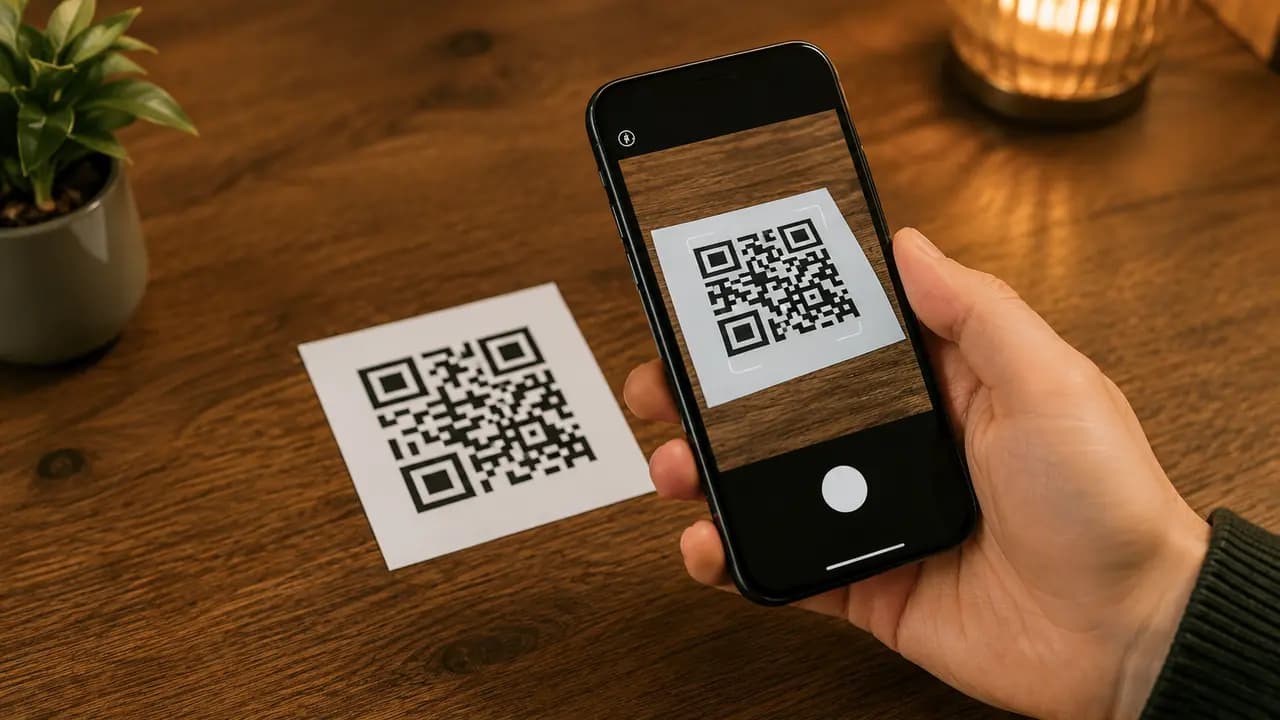
QR codes look simple. A small square. A pattern. A quick scan. But behind that tiny interaction is a surprisingly complex mix of curiosity, trust, habit, convenience, visual design, and motivation.
From a user experience perspective, a QR code is a behavioural trigger: it asks a person to pause, take out their phone, open the camera, scan, and move from the physical world into a digital one. That may sound effortless, but every step involves a small psychological decision.
Will this be useful?
Is it safe?
Is it worth my time?
What happens after I scan?
These questions decide whether a QR code gets ignored or becomes a successful interaction.
The Invisible Decision Before Every Scan
Before someone scans a QR code, they make a fast judgement. Usually, this happens in less than a few seconds. The person may not consciously think about it, but the decision is there: scan or move on.
That decision depends on three things.
First, the QR code must be noticed. If it blends into the packaging, poster, menu, flyer, or screen, it never gets a chance to work. Visibility is the first psychological barrier. (When codes go unscanned the cause is often technical too - see why QR codes fail to scan.)
Second, the user must understand the benefit. A QR code with no explanation creates uncertainty. A QR code with a clear message creates expectation.
Third, the user must trust the source. People are more likely to scan a QR code on a product they bought, in a restaurant they entered, or on a branded package than on a random sticker in a public place.
By the time the camera opens, the experience has already started - it began the moment the user first judged the code.
Why Curiosity Makes QR Codes Powerful
Curiosity is one of the strongest psychological drivers behind QR code engagement. A QR code hides information. The user can see that something is there, but they do not know exactly what it contains until they scan it.
That small mystery can be useful.
When a brand writes "Scan to see how this product is made," it creates a story gap. The user has just enough information to become interested, but not enough to feel satisfied. The scan completes the loop.
Curiosity works especially well when the reward feels specific. "Scan for more information" is vague. "Scan for a two-minute setup guide" is concrete. "Scan to unlock a hidden discount" is even more direct. The user knows what kind of value to expect.
The psychology is simple: people are more likely to act when the next step promises a clear payoff.
What Users Need to Feel Before They Scan
A QR code asks for action. Even though scanning is quick, it still requires effort. The user has to stop what they are doing and interact with a physical object through a device.
For that to happen, the user usually needs to feel:
- Confidence - the code looks legitimate and belongs to the brand or place.
- Clarity - the call to action explains what will happen after scanning.
- Relevance - the content feels connected to the user's current situation.
- Reward - the scan offers information, convenience, savings, entertainment, or access.
- Safety - the user does not feel suspicious about the destination.
These emotional signals matter more than many brands realise. A technically perfect QR code can still fail if it does not feel worth scanning.
The Role of Friction in QR Code UX
Good UX reduces friction. QR codes can do this very well, but only when they are used with the user's context in mind.
Imagine a customer in a restaurant. They sit down, see a QR code on the table, scan it, and open the menu. This feels natural because the user has an immediate need. They want to order food. The QR code removes friction.
Now imagine the same customer sees a QR code on a wall that says only "Scan me." There is no context, no promise, no obvious reason. That QR code creates friction instead of reducing it.
Friction appears when the user has to guess.
A strong QR experience answers the question before the user asks it: "Why should I scan this?"
QR Codes and the Psychology of Convenience
Convenience is one of the main reasons QR codes became part of everyday behaviour. A QR code can replace typing a long URL, searching for a product page, downloading a manual, asking staff for information, or filling in a paper form.
That matters because users usually prefer the path that takes less effort.
A QR code can turn a complicated action into a single movement: point, scan, open. This feels efficient. It also gives the user a sense of control because they decide when to interact.
There is one important condition: the page after the scan must also be convenient. If the QR code opens a slow website, a non-mobile page, a confusing form, or a generic homepage, the feeling of convenience disappears immediately.
The scan creates a promise. The destination has to keep it.
Trust: The Most Important Barrier
Trust is one of the biggest psychological factors in QR code engagement. Users have become more aware that QR codes can lead anywhere. That awareness creates hesitation, especially in public spaces.
A QR code on a branded package feels safer than a QR code printed on an anonymous sticker. A QR code with a clear brand logo feels safer than one without context. A code placed beside a specific instruction feels safer than one floating alone.
Brands can increase trust by making the experience feel transparent.
Use clear copy. Show the brand name. Explain the benefit. Avoid suspicious promises. Keep the design clean. Make sure the landing page matches the visual identity of the product or campaign.
When the user scans and lands on a page that looks completely different from the brand, trust drops. Even if the page is legitimate, the mismatch creates doubt.
The Small Power of Microcopy
The words beside a QR code can decide whether it works.
Microcopy is the short instruction or message that tells users what to do and why. It may be only three to eight words, but it shapes the entire interaction.
Weak QR microcopy:
- Scan me
- Learn more
- More info
- Visit website
- Click here
Better QR microcopy:
- Scan for recycling instructions
- Scan to unlock 15% off
- Scan to watch the setup video
The stronger examples work because they reduce uncertainty. They tell the user exactly what the scan is for.
Microcopy should not be clever at the expense of clarity. A QR code is already a small request for effort. The copy should make that effort feel obvious and worthwhile.
Why Placement Affects User Motivation
Where a QR code sits decides who scans it - placement is a behavioural decision disguised as a layout choice.
A code placed near the moment of need performs better than a code placed somewhere random. If a product requires assembly, the QR code should appear near the setup instructions. If a food package offers recipes, the QR code should be near the serving suggestion. If a restaurant uses a QR menu, the code should be visible from the seated position.
Placement also affects perceived importance. A QR code hidden near legal text feels secondary. A QR code placed beside a strong call to action feels intentional. (Design matters as much as placement - here is how to design QR codes that scan reliably.)
The user should not have to search for the code. They should discover it naturally.
Designing a scan worth making? You can generate your own QR code and pair it with microcopy that tells people exactly what they will get.