
The QR Code Comeback: Why Those Little Squares Became Popular Again
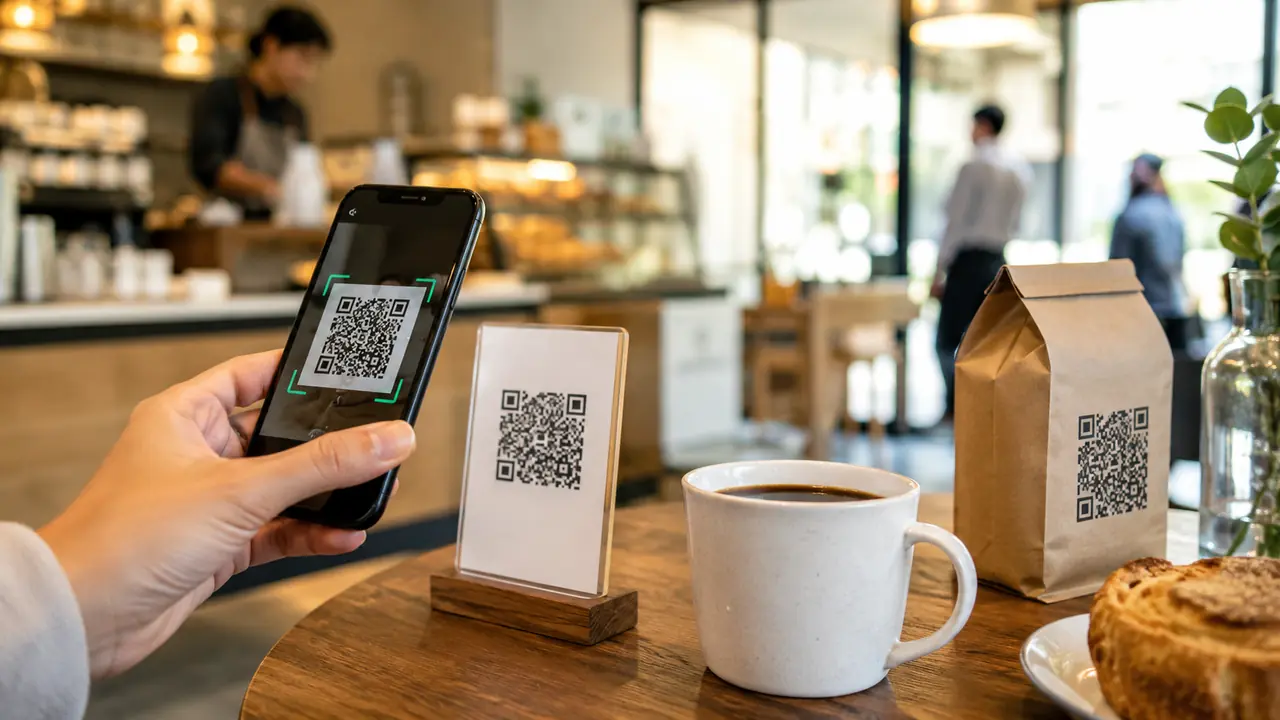
QR codes did not exactly disappear. They were always around, sitting quietly on posters, product labels, business cards, and the occasional brochure that nobody wanted to read.
But for a while, they felt outdated.
Then suddenly they were everywhere again.
Restaurant tables. Payment screens. Product packaging. Event tickets. Parking meters. Hotel rooms. Delivery boxes. Museum signs. Public transport stops. School worksheets. Retail displays. Even coffee cups, as if espresso needed a call to action.
So why did QR codes become popular again?
The comeback was not caused by one thing. It happened because smartphones became better, consumers became more comfortable with scanning, businesses needed contactless tools, and brands realized QR codes could connect offline moments to measurable digital actions.
QR codes returned because they finally became easy enough to be useful.
QR Codes Were Ahead of Their Time
QR codes existed long before most people used them regularly. (For the full backstory, see the global history of QR codes.) The technology was useful, but the everyday experience was not always smooth.
Years ago, scanning a QR code often required downloading a separate app. That was enough friction to kill curiosity. A person might see a code on a poster, think "interesting," then realize they needed an app, open the app store, get distracted, check messages, and forget the poster existed.
That was not a great user journey.
The idea was good: scan a code and open digital content. The problem was timing. Phones, mobile websites, and consumer habits were not fully ready.
Today, the experience is different. Most smartphone cameras can scan QR codes directly, websites are mobile-friendly, and people are used to digital payments, app links, online menus, and instant access. The pieces fell into place one by one until the environment finally caught up with the idea.
1. Smartphone Cameras Made Scanning Easy
The biggest reason QR codes became popular again is simple: people no longer need a separate scanner app.
Modern smartphone cameras can recognize QR codes automatically. That changed the behavior from "download something first" to "open camera and point."
That tiny difference matters.
A QR code works best when the action feels effortless. If users have to install an app, create an account, or type a URL anyway, the magic disappears. When scanning takes one second, the code becomes practical.
This is why QR codes now work in everyday settings:
- Restaurant tables
- Store windows
- Product packaging
- Business cards
- Event badges
- Classroom posters
- Transit stops
- Hotel rooms
- Receipts
- Flyers
A café can place a QR code on a table and expect most customers to know what to do. A retail brand like Nike can use a QR code on an in-store display to connect shoppers to product information. A small bakery can use one on pastry boxes to promote weekend specials.
The scan behavior is now familiar. That familiarity made the comeback possible.
2. The Contactless Era Changed Consumer Habits
QR codes became especially common during the contactless shift.
Restaurants needed digital menus. Businesses wanted fewer shared surfaces. Events needed touch-free check-ins. Healthcare providers used QR codes for forms and information. Customers became comfortable scanning because it solved immediate problems.
A digital menu was not just convenient. It felt safer and faster.
The habit stuck.
Even after the urgency faded, many QR code use cases remained useful. Restaurants could update menus without reprinting. Customers could pay from the table. Hotels could reduce printed room guides. Schools could share resources quickly. Events could manage schedules in real time.
Once people learned the behavior, brands found more ways to use it.
A restaurant like McDonald's can use QR codes for app offers, digital menus, or feedback. A local ramen shop can use them for table menus and reviews. A hotel like Marriott can connect guests to Wi-Fi, room service, or local guides.
The contactless era made QR codes normal. Convenience kept them relevant.
3. QR Codes Solved the Offline-to-Online Problem
Marketers have always struggled with one question:
How do you measure offline attention?
A poster, package, flyer, table card, magazine ad, bus stop sign, or product insert can influence customers. But without a digital action, it is hard to know what happened.
QR codes solve that problem.
They give offline materials a measurable entry point. A customer sees a code, scans it, and every step after that can be counted. That journey might lead to a landing page, signup form, product page, coupon, review page, app download, payment flow, or booking form.
This is why marketers came back to QR codes.
They are simple, cheap, and measurable.
A brand like Coca-Cola can use QR codes on packaging for campaigns and loyalty experiences. Sephora can use them in stores for tutorials, reviews, or shade guides. A local gym can use one on a street poster to track trial class bookings.
A QR code turns "maybe someone saw our flyer" into "842 people scanned it, 96 signed up, and 18 bought."
Marketing teams enjoy that kind of clarity. It makes the spreadsheet purr.
4. Dynamic QR Codes Made Print More Flexible
Static QR codes are fixed. Once printed, the destination cannot be changed.
Dynamic QR codes changed the business value of QR campaigns because they allow brands to update the destination after printing. That means the same printed code can point to different content over time.
This is huge for businesses. A dynamic QR code can support:
- Seasonal offers
- Restaurant menus
- Event schedules
- Product instructions
- Packaging campaigns
- Loyalty pages
- Customer surveys
- App downloads
- Review pages
- Reorder flows
Imagine a restaurant prints table cards with a QR code. With a dynamic code, the menu can change daily. A product brand can update packaging content without reprinting boxes. An event organizer can change the agenda after banners are printed.
A brand like IKEA could use QR codes on packaging for assembly guides and support resources. Dyson could use them for setup videos and maintenance. A food truck could use one code for today's menu and another for tomorrow's location.
Print used to be final. Dynamic QR codes made it more forgiving. (More on why businesses choose dynamic QR codes.)
And marketing needs forgiveness. Frequently.
5. Product Packaging Became a Digital Channel
Another reason QR codes became popular again is packaging.
Consumers want more information than packaging can comfortably hold: ingredients, allergens, origin, sustainability, instructions, recycling guidance, certifications, authenticity, recipes, and customer support.
A QR code gives packaging a second layer.
The printed package stays clean. The digital page carries the details.
A bag of beans can open a grind-size chart. A moisturiser can open a layering guide. A protein powder can open its lab certificates. A jacket can open repair instructions and resale options.
The retail industry is also preparing for broader use of 2D codes. GS1's Sunrise 2027 initiative focuses on helping retailers scan next-generation 2D barcodes, including QR-style codes, at point of sale so brands can share richer product data and improve traceability.
That matters because QR codes are graduating from marketing decoration to product information infrastructure - standard equipment rather than a nice-to-have.
They Came Back Because They Became Useful
QR codes became popular again because the world around them changed. Smartphone cameras removed the app friction, the contactless years built the habit, marketers discovered the tracking, and dynamic codes made printed campaigns flexible enough to keep around.
The comeback has nothing to do with nostalgia - the squares simply started earning their space. (Related: are QR codes still relevant?)
QR codes work today because they reduce friction at the exact moment a user wants something: a menu, payment link, product guide, discount, review form, schedule, ticket, or support page.
They are simple, low-cost, measurable, and easy to update when used dynamically.
That does not mean every surface needs a QR code. A chair can remain offline. Not every doorknob needs a landing page.
But when a physical moment needs a digital next step, QR codes are still one of the easiest ways to make that connection.
That is why they came back.
And this time, they brought analytics.
Want to join the comeback? Create a free QR code and point it wherever your customers need to go.