
Are QR Codes Still Relevant? Why the Little Square Is Not Going Anywhere
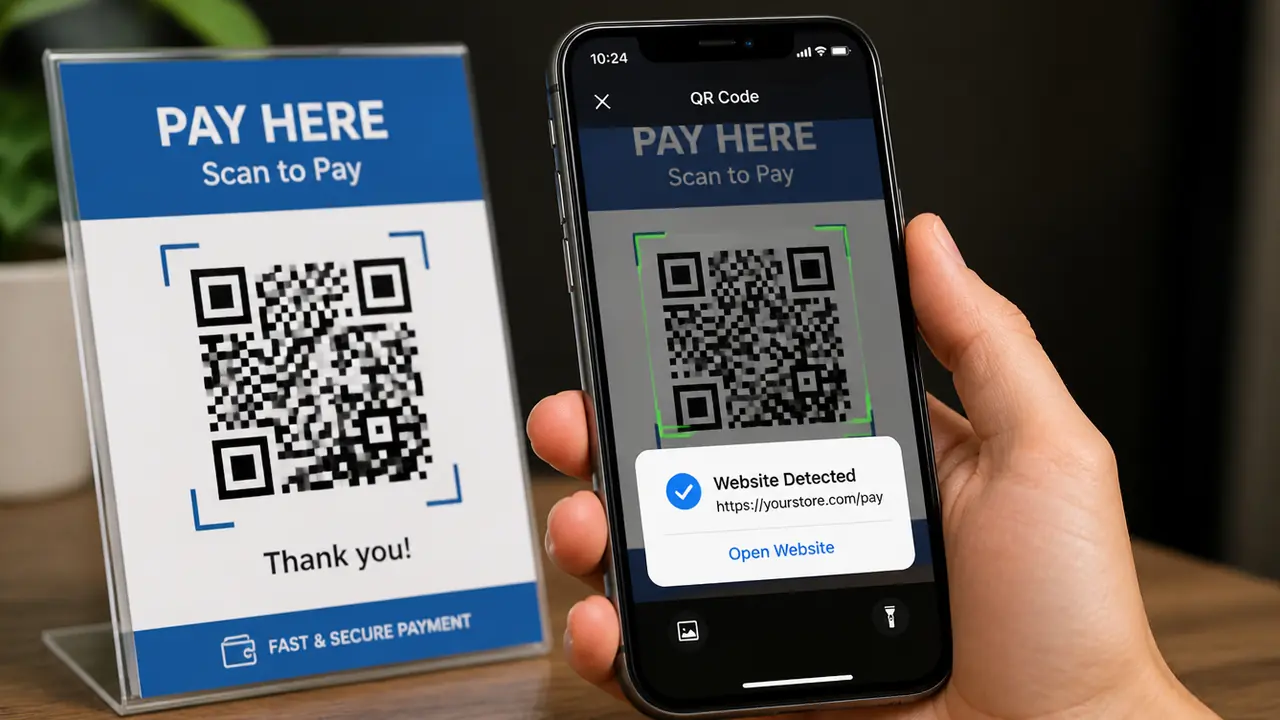
QR codes have had a strange career.
First, they were a technical tool for tracking products. Then they became a marketing experiment. Then they were ignored for a while. (The full story: why QR codes became popular again.) Then suddenly they were everywhere: restaurant tables, product packaging, event tickets, parking meters, hotel rooms, delivery boxes, posters, business cards, school worksheets, museum signs, and the occasional bathroom wall that really wanted to be interactive.
So, are QR codes still relevant today? Yes. Very much.
But not because they are trendy. QR codes are relevant because they solve a simple problem: they connect the physical world to digital action quickly. A customer sees a code, scans it, and lands on a menu, payment page, product guide, discount, review form, app download, or support resource.
That is still useful. In many industries, it is becoming more useful. (Here is where it is heading: the future of QR codes.)
Where QR Codes Are Most Relevant Today
QR codes are not equally useful everywhere. They work best when they remove friction or give people fast access to something valuable.
Strong use cases include:
- Restaurant menus and table ordering
- Contactless payments
- Product packaging and instructions
- Event tickets and check-ins
- Customer reviews
- Loyalty programs
- Public transportation updates
- School and university resources
- Real estate listings
- Hotel guest services
- Wi-Fi access
- Coupons and promotions
- App downloads
- Recycling information
- Customer support
A brand like IKEA can use QR codes on packaging to connect customers to assembly instructions. Starbucks can use them for loyalty, seasonal offers, and app engagement. Nike can connect in-store displays to product drops or sizing information. A small local bakery can use a QR code on pastry boxes to promote tomorrow's specials.
The logic runs from global brand down to corner bakery: the code itself is not the point, the shortcut is. (See QR codes across everyday life.)
The Packaging Shift Makes QR Codes More Important
One reason QR codes remain relevant is packaging.
Packaging space is limited, but consumers want more information: ingredients, allergens, sourcing, sustainability, instructions, recycling guidance, authenticity, and brand stories. A label cannot hold all of that without turning into a tiny novel printed in ant-sized font.
QR codes solve the space problem.
A serum can link to usage-frequency guidance. A sauce jar can link to recipes. A vitamin bottle can link to third-party test results. A router box can link to setup videos. A pair of jeans can link to washing instructions.
The retail industry is also moving toward broader use of 2D codes. GS1's Sunrise 2027 initiative focuses on preparing retailers to scan next-generation 2D barcodes at point of sale, supporting richer product data and better transparency. (More on QR codes turning packaging into a channel.)
That does not mean every package will suddenly become a sci-fi object. It means the barcode-only world is winding down, with the square first in line to take over its shelf space.
Why Marketers Still Care About QR Codes
Marketers care about QR codes because they make offline campaigns measurable.
A poster without a QR code is hard to track. A flyer without a digital path is hard to connect to conversions. A product insert without analytics leaves marketers guessing. And guessing is fun only when choosing dessert, not budget allocation.
With QR codes, marketers can track:
- Scans
- Locations
- Devices
- Time of engagement
- Campaign source
- Landing page behavior
- Signups
- Purchases
- Reviews
- Coupon redemptions
This makes QR codes especially useful for print advertising, packaging, trade shows, retail displays, receipts, direct mail, and out-of-home campaigns.
A brand like Coca-Cola can use QR codes on packaging to support campaigns and loyalty experiences. A local gym can use a QR code on a poster to track free trial signups. A food truck can use one to show its live schedule.
QR codes give offline marketing a digital receipt.
And marketers love receipts. Emotionally, spiritually, and in spreadsheets.
Are QR Codes Safe?
QR codes are useful, but users should still be cautious.
A QR code can point to any destination. That means scammers can use fake QR codes to send people to phishing pages, suspicious payment sites, or malware downloads. Security agencies and consumer protection groups have warned about "quishing," or QR-code phishing, especially when fake stickers are placed over legitimate codes in public places. (We bust more of these in QR code myths debunked.)
For businesses, this means trust matters.
Use official branding. Use HTTPS links. Add clear calls to action. Place QR codes in controlled locations. Check printed codes regularly. Do not make the destination look suspicious.
For users, the rule is simple: scan thoughtfully. A QR code on official packaging or a restaurant table is usually more trustworthy than a random sticker on a street pole promising a free prize (the prize, historically, has never existed).
Simple Brand Examples
Starbucks
QR codes can support loyalty signups, app downloads, seasonal campaigns, and store-level promotions.
IKEA
Packaging QR codes can lead customers to assembly videos, care guides, spare parts, or support pages.
Nike
In-store QR codes can connect shoppers to product details, size availability, styling ideas, or limited drops.
Sephora
Shelf or packaging QR codes can guide shoppers to tutorials, reviews, shade guides, and loyalty programs.
McDonald's
QR codes can support app offers, digital menus, feedback forms, and promotional campaigns.
A local café
One code for the menu, one for reviews, one for loyalty. No global strategy deck required.
That is the nice thing about QR codes: a corner café gets the same mechanics as a global chain.
So, Are QR Codes Still Relevant?
Yes - but only when they are useful.
QR codes are relevant when they reduce friction, answer a question, improve convenience, or connect a physical moment to a digital action. They are not relevant when they are added randomly, poorly labeled, badly designed, or linked to weak content.
A QR code should help the user do something faster:
- View the menu
- Pay the bill
- Get product details
- Register for an event
- Leave a review
- Claim an offer
- Watch instructions
- Reorder a product
- Find a location
- Access support
That is why QR codes still matter. Not because they are exciting. Because they are efficient.
Want to use one? Create a free QR code and put it where it removes a real bit of friction.