
QR Code Myths Debunked: What People Still Get Wrong About Those Little Squares
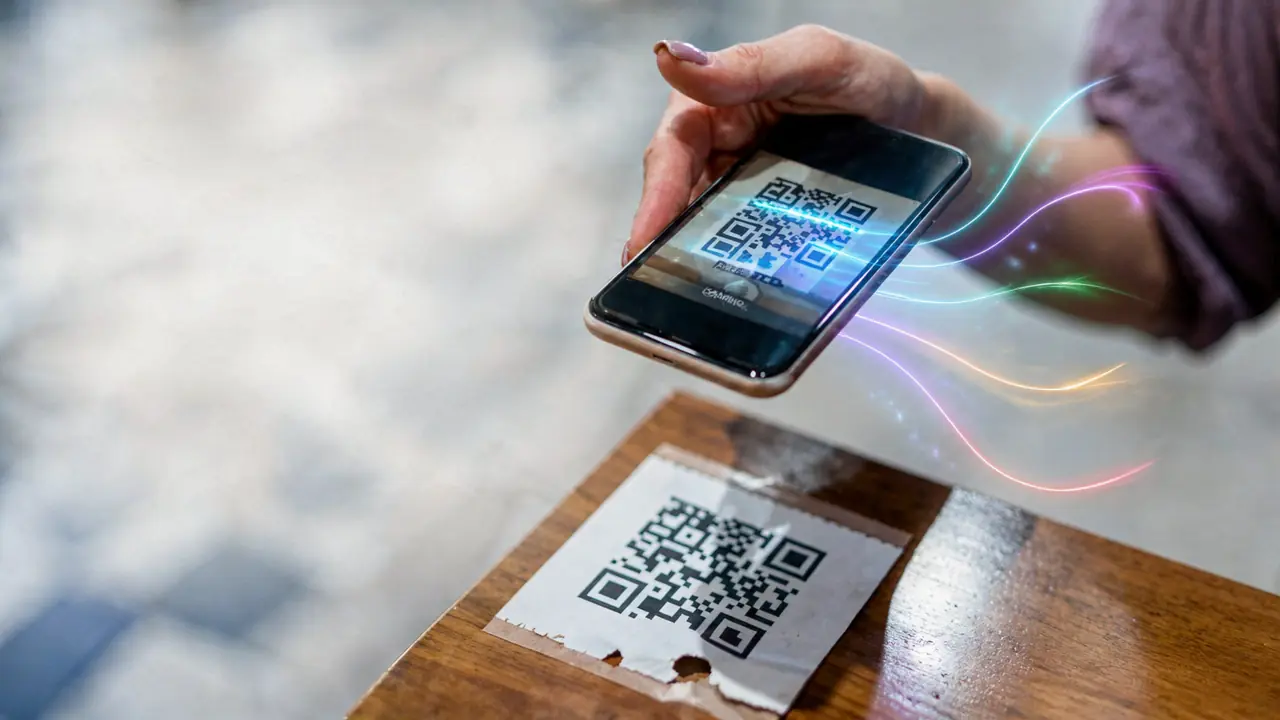
QR codes are everywhere now. They sit on restaurant tables, product labels, posters, receipts, museum signs, event badges, business cards, delivery boxes, hotel room cards, and sometimes in places where nobody asked for one, like the back of a chair. Ambitious little squares.
But even though QR codes have become common, people still misunderstand them.
Some think QR codes are outdated. Others believe they are unsafe by default. Some assume every QR code can be edited after printing. A few people still think scanning one automatically downloads something dangerous, opens a secret portal, or hands their phone to a hacker wearing a hoodie in a dark room.
The truth is more practical.
QR codes are not magic, not automatically risky, and not automatically useful either. They are simple tools that can work very well when used correctly - and very badly when slapped onto a poster with no clear purpose.
This article breaks down the most common QR code myths, explains what is actually true, and shows how businesses can use QR codes in a smarter, safer, and more effective way. (See also our deeper dive on QR code myths and realities.)
Myth 1: QR Codes Are Outdated
This myth refuses to retire.
Some people still think QR codes were a short-lived trend from the early smartphone era. They remember clunky scanner apps, ugly black-and-white codes, and campaigns that led to desktop websites no one wanted to read on a phone.
That version of QR codes did feel awkward.
But today, QR codes are much easier to use. Most smartphones can scan them directly through the camera. Consumers are familiar with them from restaurants, payments, tickets, packaging, travel, healthcare, and events. Businesses use them because they create a simple bridge between physical spaces and digital content.
A restaurant can update a menu instantly. A product brand can link packaging to tutorials. A university can guide students to campus resources. A food truck can share its live location. A retailer can turn a poster into a measurable campaign.
Brands like Starbucks, Nike, IKEA, and Coca-Cola can use QR codes to connect offline materials with digital experiences. A small bakery, gym, salon, or local school can do the same on a smaller scale.
So no, QR codes are not outdated. Bad QR code experiences are outdated.
Myth 2: QR Codes Are Only for Menus
Restaurant menus made QR codes familiar to millions of people, but menus are only one use case.
QR codes can support many business and educational needs:
- Product instructions
- Customer reviews
- Event registration
- Loyalty programs
- Digital payments
- App downloads
- Wi-Fi access
- Contact cards
- Warranty registration
- Recycling instructions
- Campus maps
- Public transport schedules
- Coupons and discounts
- Feedback forms
- Product authentication
- Social media profiles
- Real estate listings
- Donation pages
- Video tutorials
- Customer support
A restaurant QR menu is useful, but it is just one example of a bigger pattern: QR codes help people move from a physical object or location to a relevant digital action. (Curious how that works under the hood? See how QR codes actually work.)
A Dyson product box could link to setup videos. A Levi's tag could link to care instructions. A Sephora shelf display could link to tutorials or reviews. A local dentist could use QR codes for appointment forms. A food truck could use one for today's menu and tomorrow's location.
QR codes are not menu technology - they are shortcut technology.
Myth 3: QR Codes Are Always Safe
This myth goes in the opposite direction.
Some people trust every QR code too easily. That is also a mistake.
A QR code is simply a way to store or open information. It can point to a safe website, a payment page, a PDF, a form, a menu, or a support guide. It can also point to a suspicious page if someone creates it with bad intentions.
The QR code itself is neutral. The destination matters. (Full breakdown: are QR codes safe?)
Users should be careful with QR codes in uncontrolled public places, especially if they are printed on stickers placed over official signs, parking meters, payment terminals, posters, or restaurant menus. A code that looks official may not always be official.
Businesses can reduce risk by using branded landing pages, HTTPS links, clear calls to action, and consistent visual design. A code on official McDonald's packaging or a branded Marriott hotel room card feels very different from a random sticker on a lamppost saying "scan for surprise."
The surprise may be malware. Not the fun kind of surprise.
Myth 4: QR Codes Are Dangerous by Default
Now let's correct the other extreme.
QR codes are not dangerous by default. Scanning a QR code usually just shows a link, opens text, displays contact details, connects to Wi-Fi, or starts another action that the user can confirm.
Most modern phones show a preview before opening a website. The user can choose whether to tap. That small preview is important because it gives people a moment to judge the destination.
The risk comes from unclear or malicious destinations, not from the QR format itself.
A QR code on a restaurant table that opens the official menu is not scary. A QR code on a medicine package that links to official patient information is useful. A QR code on a university poster that opens event registration is normal. A QR code on a random sticker covering a parking meter payment code deserves suspicion.
The best advice is balanced: do not panic, but do not scan blindly.
A QR code is like a link in physical form. Treat it with the same level of attention.
Myth 5: Every QR Code Can Be Edited Later
This is one of the most expensive misconceptions.
Not all QR codes can be edited after printing. Only dynamic QR codes usually allow the destination to be changed later. Static QR codes are fixed.
A static QR code stores the final data directly in the code. If it points to a URL, that URL is built into the pattern. Once printed, it cannot be changed.
A dynamic QR code stores a redirect link. The business can update the final destination through a QR platform without changing the printed code.
That difference matters for packaging, menus, event banners, flyers, brochures, business cards, and product labels.
Imagine a restaurant prints 1,000 table cards with a static QR code that points to the wrong menu page. That is painful. Imagine a skincare brand prints 50,000 boxes with a static QR code for a campaign that ends in two weeks. Also painful. Very "we should have had one more meeting" energy.
Dynamic QR codes are safer when the destination may change. (Details: static vs dynamic QR codes and editing a printed QR code.)
Static QR codes are fine for permanent information, such as Wi-Fi details, a fixed contact page, or a stable map location.
How Businesses Can Avoid QR Code Misconceptions
The best way to avoid QR code mistakes is to treat the code as part of the customer journey, not as a decorative extra.
Before using a QR code, ask:
- What does the user get after scanning?
- Is the destination mobile-friendly?
- Is the call to action clear?
- Should the code be static or dynamic?
- Does the printed message match the destination?
- Can the landing page be updated later?
- Do we need scan analytics?
- Is the code easy to scan in real conditions?
- Is there an alternative for users who cannot scan?
- Does the experience build trust?
This is not complicated. It is just planning.
A QR code is small, but it still deserves a strategy. Even tiny squares have responsibilities.
QR Codes Are Not the Problem - Bad QR Strategy Is
QR codes are often misunderstood because they look simple. People assume they are either magical, useless, dangerous, outdated, or guaranteed to work automatically.
In reality they are practical tools that reward planning: a clear purpose, good placement, a mobile-friendly destination, and a test scan before the print run. Most of the myths above dissolve once a business understands two distinctions - static versus dynamic, and the code versus the destination behind it.
The little square does not impress anyone by existing. It earns its place when it helps someone do something faster than they could without it.
Ready to put one to work the right way? Create a free QR code with a clear destination and call to action.