
QR Codes in Everyday Life: Real Examples You See Daily
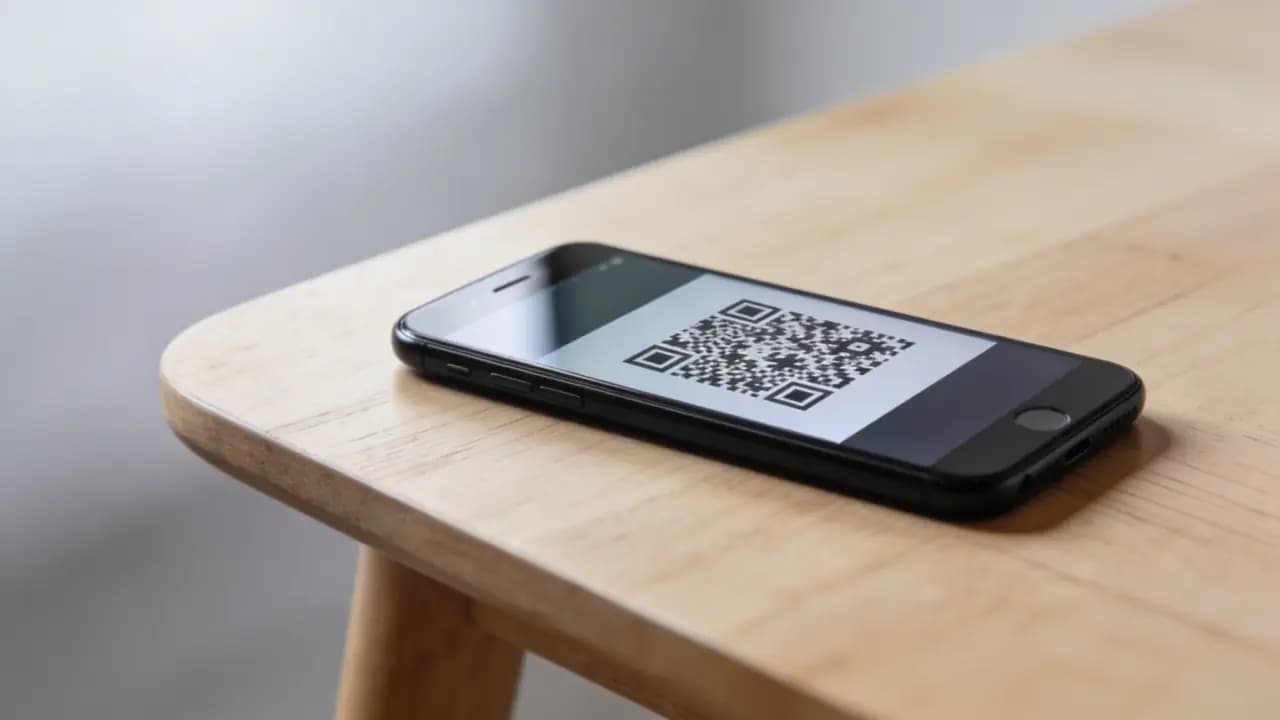
QR codes are now an everyday part of life. What started as a niche logistics tool quietly became the default way to access menus, make payments, and share information. You probably scan them without thinking - at a café, in a store, on the bus. But it's worth looking at where they actually show up and what they're doing there.
What Makes QR Codes So Popular?
QR codes became popular for a simple reason: they make life easier. Instead of typing long URLs, searching for a website, or navigating through multiple steps, people can get where they need to go with a quick scan.
They work on almost any modern smartphone, are incredibly easy to create and use, and can link to just about anything - websites, apps, menus, payment pages, videos, and more. (If you've ever wondered what's actually happening when you scan one, here's how a QR code generator works.) In a world where attention spans are short and patience is even shorter, QR codes remove friction and save time.
After all, if people can avoid an extra step, they usually will - and QR codes are basically the shortcut everyone appreciates.
Food: Restaurants and Cafes
Food service is probably where most people encounter QR codes most often. Instead of handling a physical menu, customers scan and browse on their phones. It's faster for staff too.
For customers, the menu is available the moment they sit down. For the owner, it no longer needs to survive spills, reprints, or a redesign every season. Paper menus are quietly becoming the exception rather than the rule.
Payments and Banking
QR codes have become one of the more reliable ways to pay without cash or a card. You'll see them in:
- Mobile payment apps
- Peer-to-peer transfers
- Retail checkout counters
Product Packaging
QR codes give physical packaging somewhere to send people. Common in electronics, cosmetics, and food products - anywhere the box can't fit everything worth knowing.
Examples:
- Setup instructions and tutorials
- Ingredient or product details
- Authenticity verification
Travel Without the Paper Trail
QR codes have transformed the way people use public transportation, making paper tickets and physical passes feel increasingly outdated. Today, a quick scan on your phone can handle everything from digital tickets and boarding passes to route details and station information.
Instead of digging through your bag for a printed ticket or wondering where you left your transit card, all the information you need is right there on your screen. It's faster, more convenient, and saves commuters from that mini heart attack when they think they've lost their ticket five seconds before boarding.
Turning Real-World Attention Into Instant Action
QR codes have become a staple at events and in marketing because they connect the physical and the digital with almost no effort from the user. At concerts, conferences, and festivals, they streamline entry, provide access to schedules, and unlock interactive experiences, helping reduce wait times and keep lines moving smoothly.
At the same time, marketers use QR codes on billboards, posters, flyers, product packaging, and other promotional materials to instantly connect people with landing pages, videos, special offers, or digital content. Instead of asking someone to remember a website address and type it in later - a task many people conveniently forget - one quick scan delivers exactly what they're looking for in seconds.
It's a simple solution that makes both event management and advertising far more effective, while saving everyone a little time and frustration along the way. If that's your angle, our guide to QR codes in marketing breaks down the most effective tactics.
Business Cards and Networking
Sharing contact details with a QR code is genuinely more convenient than spelling out an email address.
Examples:
- Digital business cards (vCard)
- LinkedIn profiles
- Portfolio links
Wi-Fi Access
More and more public spaces use QR codes for Wi-Fi instead of posting a password on a chalkboard.
Where you'll find it:
- Cafés and restaurants
- Hotels
- Offices
Connect without typing anything.
Education and Learning
Schools and universities have found practical uses for QR codes in and out of the classroom.
Examples:
- Links to supplementary resources
- Videos or reading materials
It's a low-effort way to make printed materials do more.
You Stop Noticing Them
QR codes have reached the point where they mostly blend into the background. You scan without registering that you scanned. That's usually what happens when a technology actually works - it stops feeling like a feature and just becomes part of how something operates.
QR codes are in the infrastructure of daily life now - ordering food, catching a flight, paying for things, connecting to Wi-Fi. They don't call attention to themselves anymore, which is probably why it's easy to underestimate how often you actually use them. Start paying attention and you'll notice them everywhere.
Want one of your own? You can create a free QR code for a link or menu, or set up a Wi-Fi network code in seconds.