
QR Code Marketing by the Numbers: Key Statistics and Lessons Brands Should Know
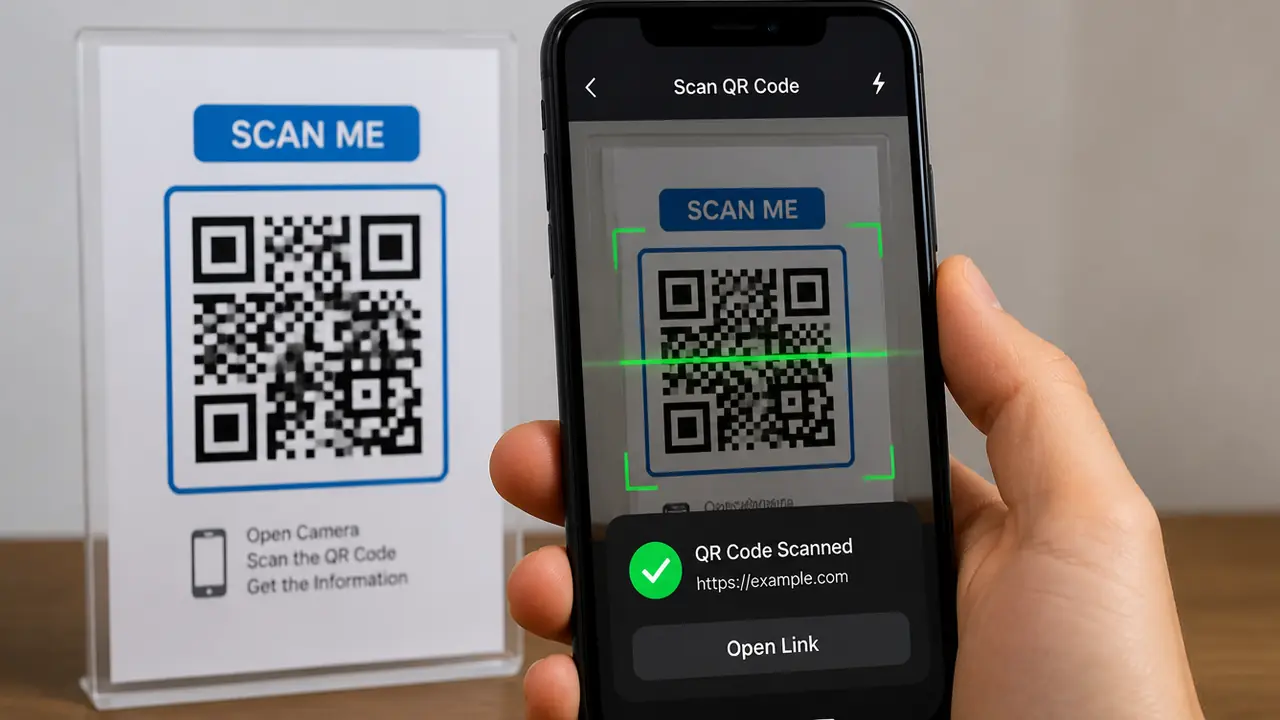
QR codes have moved from "nice little tech trick" to everyday marketing infrastructure.
They are on restaurant tables, product packaging, posters, receipts, event badges, shipping boxes, museum signs, business cards, bus stops, hotel rooms, and sometimes in places where nobody expected them, like a napkin trying very hard to become a landing page.
For marketers, "do people know how to scan?" stopped being a question years ago. They do. What is worth asking now is whether the codes are driving measurable action or just decorating the print. (For tactics, see 10 ways to use QR codes in marketing.)
That is where QR code statistics become useful. The numbers show more than adoption. They show how QR codes are changing offline-to-online marketing, packaging, consumer engagement, campaign tracking, product transparency, and even security planning.
A QR code is small. The strategy behind it should not be.
Why QR Code Statistics Matter for Marketers
Marketing teams love channels they can measure. That is why email, paid search, paid social, and ecommerce dashboards get so much attention. Offline marketing has always been harder. A poster may look great. A product insert may feel useful. A table tent may be beautifully designed. But without tracking, nobody knows what happened after a customer noticed it.
QR codes help solve that problem.
They turn physical materials into measurable digital entry points: a scan becomes a session, the session a signup, the signup a sale. Almost suspiciously helpful. (Make it measurable with QR code analytics and conversion tracking.)
For marketers, QR code statistics help answer practical questions:
- Are consumers still willing to scan QR codes?
- Are marketers increasing QR code usage?
- Which use cases are growing fastest?
- Do QR codes support conversion tracking?
- How do QR codes improve packaging?
- What data can brands collect after a scan?
- Where do QR campaigns fail?
- What safety concerns should brands address?
Statistics are not decoration. They help marketers decide where QR codes deserve budget, where they need better strategy, and where they are just being added because someone said "phygital" in a meeting.
1. Marketers Are Using QR Codes More Often
One of the clearest trends is that QR code usage among marketers is rising.
In recent industry survey data, a strong majority of marketers reported increasing their use of QR codes over the past year. That is a major signal. QR codes are no longer treated as emergency menu technology or a novelty from the contactless era. They have become a regular part of campaign planning.
This matters because marketers do not usually expand a tool unless it solves a problem.
QR codes solve several at once: they reduce friction, connect print to digital, support mobile-first engagement, make offline campaigns measurable, and give brands more flexibility after printing.
A brand like Starbucks can use QR codes to support app engagement, rewards, seasonal drinks, and store-level campaigns. A local café can use the same idea with a much simpler setup: one QR code for the menu, one for reviews, and one for loyalty signup.
The logic scales down cleanly - with fewer pumpkin spice forecasting meetings.
2. Consumer Sentiment Toward QR Codes Has Improved
A QR code only works if people are willing to scan it.
The good news for marketers is that consumer comfort with QR codes has grown. People have been trained by everyday experiences: scanning menus, checking tickets, paying bills, joining Wi-Fi networks, accessing product information, and opening event schedules.
This familiarity reduces friction.
A few years ago, some users hesitated because they needed a special scanning app or did not know what would happen after scanning. Today, most smartphone cameras recognize QR codes automatically. The behavior feels normal.
That does not mean people will scan anything.
Consumers still need context. A QR code on official packaging feels safer than a random sticker on a lamppost. A code that says "Scan for today's menu" feels more useful than one that says "Scan me." A code that opens a fast, branded mobile page builds trust. A code that opens a suspicious short link with no explanation does not.
Consumer sentiment has improved, but trust still has to be earned.
3. Most Marketers Plan to Use QR Codes Even More
The most important sign of a durable trend is not past usage but future intent.
Many marketers now plan to increase QR code usage further. That tells us QR codes are becoming part of long-term marketing systems, not just one-off campaigns.
This growth makes sense because QR codes sit at the intersection of several marketing priorities:
- Mobile-first customer journeys
- Offline-to-online attribution
- First-party engagement
- Contactless convenience
- Packaging transparency
- Retail media and in-store activation
- Loyalty and retention
- Product education
- Local marketing
- Campaign analytics
A QR code on a Nike in-store display can guide shoppers to product reviews, size availability, or limited drops. A QR code on IKEA packaging can open assembly instructions. A QR code on a Coca-Cola label can support a seasonal campaign or loyalty experience.
4. Dynamic QR Codes Are Becoming More Valuable
A major QR code statistic marketers should care about is how often QR destinations are updated.
Industry data suggests that a meaningful share of marketers still redirect QR codes only occasionally - quarterly, once or twice a year, or not at all. That is a missed opportunity.
Dynamic QR codes are powerful because they can be edited after printing. A brand can change the destination, update a landing page, rotate offers, test campaigns, and fix mistakes without reprinting the physical code.
That matters for:
- Product packaging
- Restaurant menus
- Posters
- Event banners
- Retail displays
- Receipts
- Table tents
- Flyers
- Brochures
- Business cards
- Direct mail
Imagine a restaurant prints a QR code for its menu. If the code is dynamic, the restaurant can update dishes, prices, allergens, and specials without reprinting. If the code is static, the destination is fixed. That is fine until the chef changes the menu and the old QR code starts lying with confidence.
Dynamic QR codes turn printed materials into flexible marketing assets. (Here is why dynamic QR codes beat static.)
Static QR codes are fine for permanent information. Dynamic codes are better when reality is likely to change.
Reality, inconveniently, changes often.
5. QR Codes Are Turning Packaging Into a Digital Channel
Packaging used to be limited by physical space. A box, bottle, pouch, wrapper, or label could only hold so much information before it looked like a legal document had attacked the design.
QR codes change that.
A packaging QR code can lead customers to:
- Ingredient details
- Nutrition information
- Recipes
- Product tutorials
- Sustainability reports
- Recycling instructions
- Authenticity checks
- Warranty registration
- Customer reviews
- Reorder pages
- Loyalty programs
- Brand stories
This is especially important for consumer packaged goods, cosmetics, supplements, electronics, food and beverage, fashion, and home products.
SmartLabel is a strong example of this packaging trend. Thousands of brands and nearly 100,000 products participate, showing that QR-supported product information is no longer a niche idea. It is becoming normal for packaging to act as a digital gateway.
A brand like Dove could use QR codes to explain ingredients and sustainability initiatives. The Ordinary could guide customers to skincare routines and product education. Dyson could connect packaging to setup videos, filter replacement guides, and support.
The package gets the attention. The QR code carries the deeper story. (More on turning packaging into a media channel.)
Ready to track your own campaign? Create a free QR code, point it at a tracked page, and watch the numbers move.